Roofs, Siding and Gutters for Beginners
If you own a home or rent one, you've probably heard contractors talk about roofing, siding, windows, and gutters. Most homeowners only think about these systems when something breaks. This guide walks you through the basics so you understand what you're looking at when someone shows you damage or quotes a repair.
The difference between a quick fix and a 20-year investment often comes down to understanding what you actually need.
We've put this together for people who want to ask smarter questions when contractors show up, or who are curious about their homes but don't know where to start. You don't need to become an expert in carpentry or roofing to recognize when a problem is serious or when something sounds wrong.
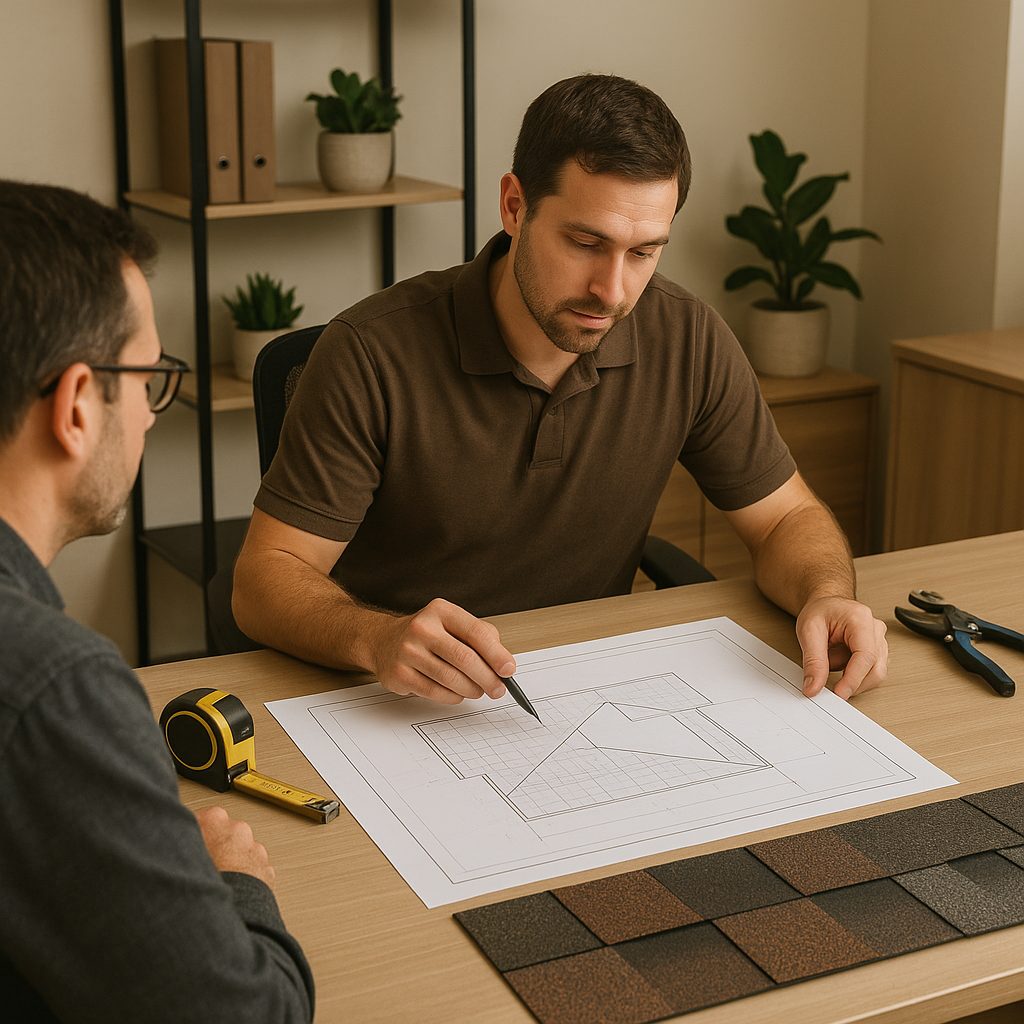
Photograph Your House Before Anyone Quotes It
Walk around your home with a camera or phone. Take photos of your roof from the ground, your siding where it meets the foundation, your windows from outside, and any gutters you can see. Don't climb on the roof. These photos give you a starting point for talking with contractors—they'll ask to see what you're dealing with, and having images ready saves time on a phone call.
If you spot something that concerns you—a patch that looks different, a stain on your siding, or gutters pulling away from the house—take a close photo and note the date. This gives a contractor concrete information instead of a vague sense that something might be wrong.
Three Steps Before You Get Estimates
-
Walk Your Property
Take 10 minutes to look at all the exterior systems on your home. Notice where water flows during rain, where roof valleys meet the main surface, where siding joints appear, and how gutters connect.
-
Document What You See
Take photos. Note any visible damage, discoloration, missing pieces, or areas that look different from the rest. Write down when you first noticed each issue—timing matters because weather events and seasonal changes affect how contractors assess problems.
-
Call Three Contractors
Get estimates from multiple providers. Tell each one the same things. This gives you a basis for comparing—not just prices, but also what different experts think needs work and why. Many consultations are free or low-cost.
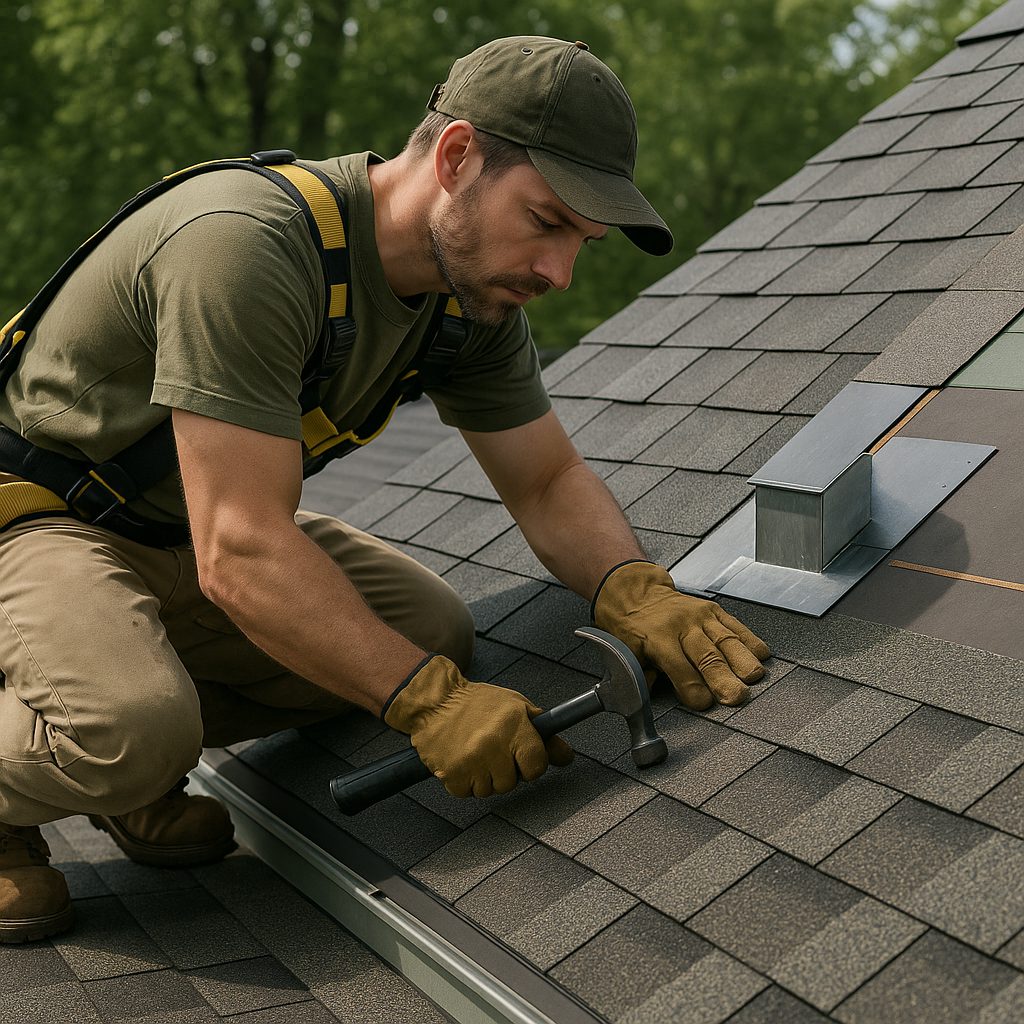
What Contractors Actually Do
Most roofing, siding, window, and gutter work falls into two categories: repair (fixing a specific problem) or replacement (installing new materials). A repair might cost $200–$500 and take a day. A replacement of a roof, siding section, or gutter run might cost thousands and take several days. Understanding which you need prevents sticker shock and helps you plan your finances.
Contractors will ask about the age of your systems, whether you've had past work done, and what your budget is. These questions help them understand whether a quick fix makes sense or whether you'd be better served by replacing worn materials now.
What New Homeowners Ask Most
Why Is It So Expensive?
Roofing, siding, and window work are expensive because materials are costly, and the labor is skilled work. A single square of roofing (100 square feet) can cost $300–$800 in materials alone. If your house is 3,000 square feet, a full roof replacement involves 30 squares and weeks of work by trained crews.
Can I DIY This?
Roof and gutter work are dangerous—falls account for the majority of home injuries. Siding and window installation require precision to prevent water damage that can cost tens of thousands in repairs. Most contractors recommend leaving exterior work to professionals unless you have specific carpentry or roofing experience.
How Long Do These Things Actually Last?
Asphalt shingles typically last 15–25 years. Vinyl siding lasts 20–40 years. Modern windows can last 20–30 years. Gutters last 20–30 years if maintained. The age of your systems should inform whether a repair makes sense or replacement is inevitable in the next few years anyway.
What If I Disagree With One Estimate?
Get a second opinion. Different contractors may assess scope differently—one might say a roof needs replacement while another sees it as repairable for another 5 years. You're paying for their expertise, so don't ignore major disagreements without understanding the reasoning.
How Fast Northeast Exteriors Age
These systems age at different rates depending on climate, maintenance, and material quality. Northeast homes face freeze-thaw cycles that accelerate wear on roofing and gutters. Use the ages below as a rough guide, not a guarantee—your contractor's on-site assessment matters more than a generic timeline.